Power Points are the backbone of every electrical setup. Whether you’re building a new home, renovating a room or upgrading your electrical layout, choosing the right power points has a direct impact on safety, convenience and overall electrical performance. Today’s homes rely on more devices than ever before, which makes modern, durable and well-designed power points essential for everyday living.
This comprehensive guide explains everything you need to know about power points from types and features to installation considerations, safety tips and how to choose the right ones for your home or commercial project.
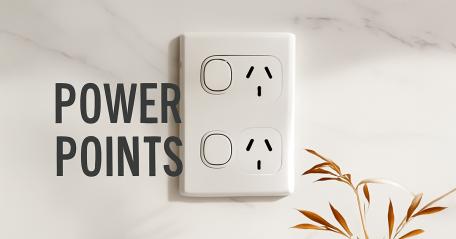
Power points, also commonly known as electrical outlets or wall sockets, are the devices that supply power to electrical appliances. They are the connection point between your main electrical system and the devices you use daily from kitchen appliances and home entertainment systems to chargers, lamps, heaters and more.
Modern power points come with advanced features like USB ports, surge protection, child safety mechanisms and weather-resistant designs. As homes continue to evolve, so do the demands placed on electrical outlets, making it crucial to choose high-quality, reliable power points that can handle long-term usage.
It may seem like a small detail, but power points influence the overall safety and performance of your electrical system. Low-quality or outdated power points can lead to issues such as overheating, short circuits or unstable power flow.
Here’s why choosing quality power points is important:
Reliable power points reduce the risk of electrical hazards such as shocks, burning odors, loose connections and fire risks. High-quality outlets are built to handle consistent electrical loads safely.
Good power points last longer, perform consistently and require fewer replacements. This saves time, cost and maintenance efforts.
Modern power points include advanced features that simplify everyday charging and appliance use.
Sleek, updated power points instantly improve the look of your home’s interior. They also add value during home resale or renovation.
There is no one-size-fits-all approach to electrical outlets. Different areas of your home require different types of power points based on usage and safety requirements. Below are the most commonly used types:
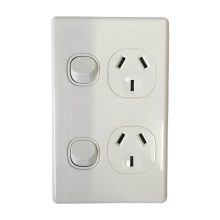
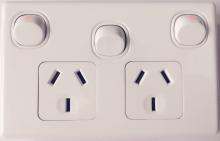
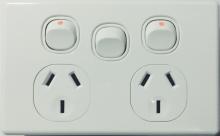
These are the regular 1-gang or 2-gang wall sockets found in most homes. They work for everyday appliances such as lamps, TVs and small electronics.
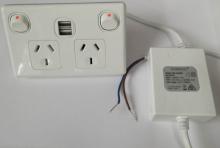
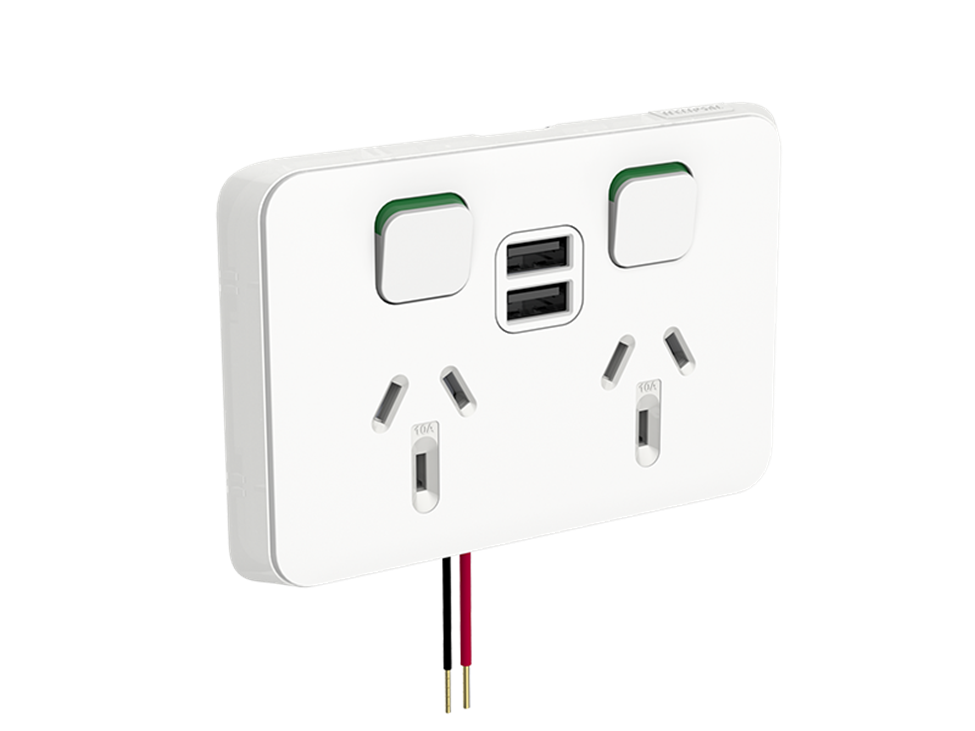
Perfect for bedrooms, kitchens and study areas, USB power points allow you to charge phones, tablets, speakers and other devices without using bulky chargers. They help reduce clutter and offer faster, more efficient charging.
Designed for outdoor areas, patios, garages and gardens, these outlets have a protective casing to shield them from rain, dust and environmental exposure.
Used for appliances that require higher power loads such as washing machines, ovens, dryers and air conditioners. These outlets are built to handle greater electrical demand.
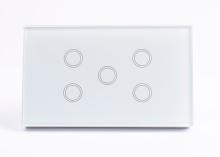
These advanced outlets connect to Wi-Fi or smart home systems, allowing remote control through mobile apps or voice assistants. You can turn appliances on and off even when you're away from home.
Designed with safety shutters and tamper-resistant features, these keep young children safe from accidental electrical contact.
This is one of the most common questions homeowners ask. While every home is different, the general rule is to have more outlets than you think you'll need. With modern device usage, it’s better to install extra power points rather than rely on multi-plugs and extension leads.
Here’s a simple room-by-room guide:
– For TVs, gaming devices, lamps, speakers and chargers
Recommended: 6–10 power points
– For appliances like kettles, microwaves, toasters, blenders and more
Recommended: 8–12 power points
– For charging devices, lamps, fans, small appliances
Recommended: 6–8 power points
– For computers, printers, monitors, Wi-Fi routers
Recommended: 8–10 power points
– For lighting, BBQs, garden tools
Recommended: 2–4 weatherproof power points
Planning ahead helps avoid messy wires and overloaded power boards.
A good power point should be safe, durable and easy to use. Before buying, consider these essential features:
Protects your devices from sudden voltage spikes.
Look for child-resistant shutters or tamper-proof designs.
Helps reduce clutter and improves charging convenience.
High-grade plastics and strong internal contacts ensure long-term performance.
Modern slimline designs blend well with contemporary interiors.
Always choose power points that comply with national electrical safety standards.
Outlets do wear out over time. Here are some red flags to look out for:
– Warm or hot to the touch
– Loose sockets
– Sparks when plugging in
– Discoloration or burn marks
– Flickering power
– Crackling sounds
If you notice any of these signs, the power point should be replaced immediately by a professional electrician.
Upgrading outdated electrical outlets offers several advantages:
USB and smart outlets simplify charging and everyday use.
Reduces electrical risks, especially in older homes.
New power points give your home a cleaner, modern look.
Smart and surge-protected outlets help reduce electricity waste.
Power point installation should always be handled by a licensed electrician. Incorrect installation can lead to serious electrical hazards. A certified professional ensures:
– Correct wiring
– Proper load balancing
– Compliance with electrical codes
– Safe placement and grounding
Never attempt DIY electrical work. It’s not worth the risk.
As smart homes become more common, power points play an even more important role. Smart switches, smart lighting and home automation setups rely on stable power access.
Upgrading to modern power points is the first step if you're planning any kind of home automation. They help support:
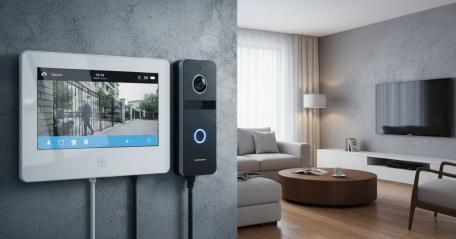
– Smart security systems
– Home entertainment centers
– Automated lighting
– Smart plugs and appliances
A smart home starts with a strong electrical foundation.
High-quality power points create a safer, smarter and more convenient home. At Sparkelec, we offer a dependable range of power points designed for long-term performance, durability and everyday ease of use. Whether you’re upgrading a single room or planning a full renovation, our power points deliver the reliability your home deserves.
Explore our collection today and build your home with safety, style and confidence.
FAQs
Power points, also known as electrical outlets or wall sockets, are devices that provide electricity to appliances, lights, and other electrical equipment in homes or commercial spaces.
The number varies by room and usage. Living rooms usually need 6–10, kitchens 8–12, bedrooms 6–8, and home offices 8–10. Outdoor areas typically require 2–4 weatherproof outlets.
Yes, USB power points allow direct charging of phones, tablets, and other devices without bulky adapters, providing convenience and reducing clutter.
Signs include loose sockets, warm or hot outlets, sparks when plugging in, flickering power, crackling sounds, or discoloration/burn marks.
Yes, when installed correctly by a licensed electrician and compliant with national electrical safety standards. Features like child-resistant shutters and surge protection enhance safety.